


The insurance company assumes the financial risk of covering these events in exchange for the premiums paid by the policyholder. There are many different types of insurance,
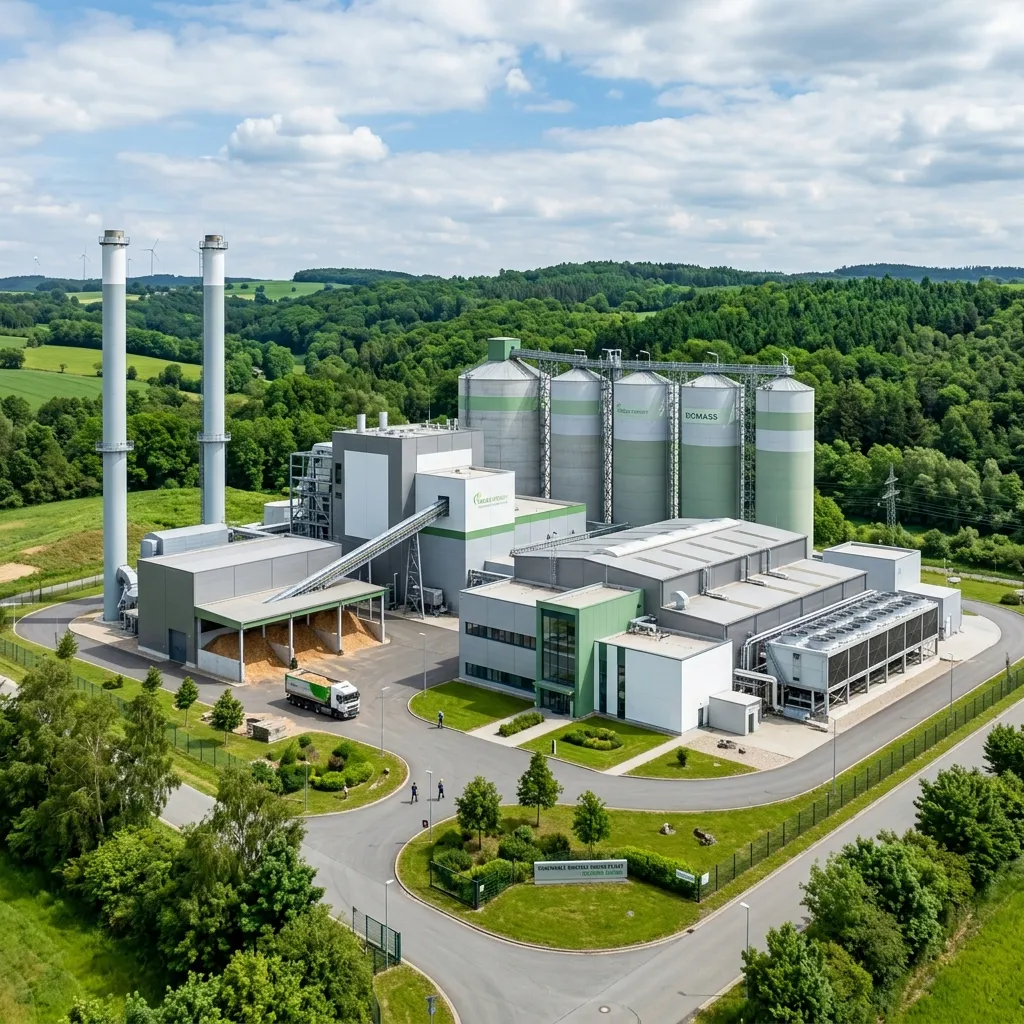
Biomass power generation utilizes organic waste materials—such as agricultural residues, forestry waste, and organic municipal waste—to generate clean, reliable, and baseload electricity. Unlike solar or wind, biomass provides steady, non-intermittent renewable energy.
We offer advanced biomass combustion and gasification technologies designed to convert raw waste into high-pressure steam or biogas. This fuel drives turbines or engines, delivering a carbon-neutral power solution that reduces landfill waste and provides a reliable energy source for rural and industrial grids.
Our biomass systems feature state-of-the-art emission controls, fuel-flexible boilers, and highly efficient heat exchangers. We customize facilities to match your local feedstock availability.
Biomass power generation utilizes organic waste materials—such as agricultural residues, forestry waste, and organic municipal waste—to generate clean, reliable, and baseload electricity. Unlike solar or wind, biomass provides steady, non-intermittent renewable energy.
Yes, the carbon dioxide released during combustion is equivalent to the carbon dioxide absorbed by the organic matter during its lifecycle, creating a closed loop.
We design boilers that can utilize rice husks, wood chips, agricultural stalks, bagasse, and sorted organic waste.
Yes, biomass is a dispatchable energy source, meaning it can run continuously and adjust output to meet peak demand independent of weather conditions.
Copyright 2026 - All Rights Reserved By VistaGlobal Solutions